Exposing the International Call Center Scam Industry Targeting America, UK, Australia
A call center is a facility where employees communicate with customers over the phone — sometimes for support, sometimes for sales. But this same model has been weaponized by fraud networks around the world. These “fake call centers” mirror legitimate companies down to the headsets, scripts, daily targets, and even fake company badges — but they exist for one purpose: to trick people out of their money.
Scammers pose as representatives from Microsoft, Amazon, the IRS, the Social Security Administration, or major banks. They target countries like the US and UK because the currency is strong and people are quick to trust an official-sounding voice on the phone, especially senior citizens. This industry runs a billion-dollar operation, and the most troubling part is that its victims are usually the most innocent and vulnerable people.
They’re split into niches, each built around a different fear and called ‘DABBA’ (BOX) as a code word. Click this link to know all the types and niches of scam call centers and make your self safe.
Scam | Types of Scam Call Centers
The Concept
The scammer’s first job is stealing data, and they do this through several channels. Leaked databases from data breaches get sold on the dark web, containing names, phone numbers, and even addresses.
Some scammers send fake pop-up warnings designed to look like real antivirus alerts — one click, and the victim hands over their own details. Oversharing on social media is another major factor — a birthday, a pet’s name, or a location can help scammers ask personal questions that make the call feel more “legitimate.”
The first line of defense is simple: never share personal or financial information with an unknown caller, no matter how official they sound. If someone creates urgency around an “account suspension” or demands immediate action, treat it as a red flag — legitimate companies never pressure you like that.
1. The “Expose” Angle — Scam Baiting Content
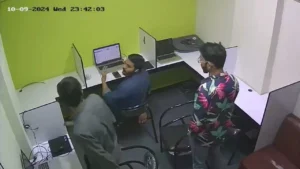
Creators like Scammer Payback have built an entire genre around turning the tables on scammers. This content is popular because people want to watch the “bad guy” lose in the end. You don’t need to make the calls yourself — simply explaining their real tactics can create the same curiosity.
“How Indian/Pakistani fake call centers got your private US SSN number.” This hook works because it directly answers the question every scam victim asks — “how did they get my number?” Data leaks, phishing emails, and third-party marketing lists are the biggest links in that chain.
“The exact 3 words to say to a ‘Geek Squad’ scammer to make them hang up instantly.” Practical, actionable hooks always drive more engagement. People don’t just want entertainment — they want a real defense tool they can use on their own next call.

2. The “Elderly Protection” Angle — Emotional & Family Bond
Senior citizens are the most targeted group because they tend to treat phone calls with formal respect and aren’t as familiar with tech-based scams. Concern for family members turns this topic from purely informational into deeply emotional — and emotional content always gets shared more.
“Warning: Fake IRS callers are targeting US seniors today. Check on your parents.” This line creates both urgency and responsibility. The reader feels this isn’t just information — it’s something they need to act on right now.
“How a 5-minute call wiped out an Australian grandma’s entire life savings.” Specific numbers and real outcomes make a hook believable. Showing how much damage a single call can cause pushes people to educate both their parents and their kids.
3. The “Leaked Audio/Script” Angle — Curiosity & Shock
Human nature craves what’s hidden from it. “Behind the scenes” content taps into exactly that curiosity — people want to see how scammers actually run their game.
“Leaked: The exact script tech-support scammers use to scare Americans.” Scripts often include fake error messages, fabricated “virus alerts,” and pressure tactics that don’t give the victim time to think. Exposing this gives people the power to recognize it in real time.
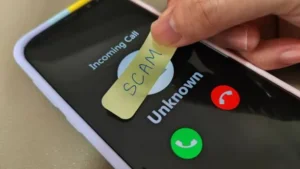
“If you get a call from this specific UK number, DO NOT say ‘Yes’—Here is why.” This hook works because saying “Yes” is a known scam tactic — scammers can later use that recorded response as fake authorization. A small warning like this makes people instantly raise their guard.
Together, these three angles form a complete content series: awareness (expose), emotion (elderly protection), and curiosity (leaked scripts) — combining to not just entertain the audience but genuinely help protect them.
Final Thoughts
The call center scam industry survives on one thing above all: trust. It preys on the instinct to believe an official-sounding voice, the fear of losing money or facing legal trouble, and the politeness that makes people reluctant to just hang up. But awareness breaks that cycle faster than any technology can. Every video that exposes a script, every post that warns a parent, and every viral clip that shows a scammer getting caught chips away at the industry’s biggest asset — the element of surprise. The more people learn to recognize the pattern, the shorter these scammers’ call lists get. In the end, the best defense isn’t a firewall or an app — it’s a well-informed person who knows exactly when to hang up.