
Scam | Types of Scam Call Centers
Fraudulent phone operations aren’t one single business — they’re split into niches, each built around a different fear and called ‘DABBA’ (BOX) as a code word. Need, or desire. Some prey on financial panic, others on loneliness, and some simply bank on greed. Understanding how each type operates makes it far easier to spot one before it does any damage.
Must read our other article to make yourself safe from scam call centers
Exposing the International Call Center Scam Industry Targeting America, UK, Australia
1. Tech Support Scams
It usually starts with a pop-up that looks exactly like a Windows or Apple security alert, warning of a virus and displaying a “support” number. The person on the other end asks for remote access to the computer using legitimate tools like AnyDesk or TeamViewer, then claims to have found a serious infection. The fix always comes with a price tag — paid through gift cards or a wire transfer — for a problem that never existed in the first place.
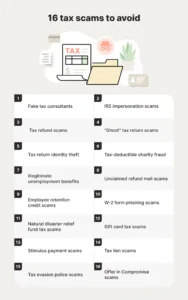
2. IRS / Tax Scams
These callers rely almost entirely on fear. Caller ID is spoofed to show a Washington D.C. number, and the message is blunt: unpaid taxes, an active arrest warrant, or a lawsuit already filed. The real giveaway is the payment method — the IRS never asks for gift cards or wire transfers, but these callers insist on exactly that, because both are nearly impossible to trace or reverse.
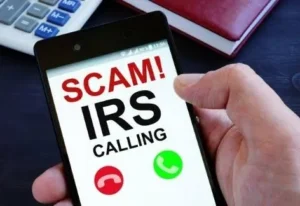
3. Social Security / Medicare Scams
This one targets older adults directly. The caller claims a Social Security number has been “linked to criminal activity” or that a Medicare card needs urgent reissuing. Either story is just a way to get a full identity package — Social Security number, date of birth, and banking details — handed over willingly under the guise of verification.
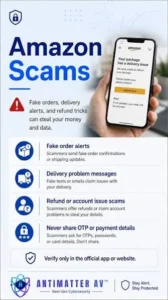
4. Amazon / Bank Refund Scams
A fake order confirmation or suspicious charge alert arrives by text or email, complete with a callback number. Once the victim calls, the “representative” offers to process a refund, but only after installing remote software or sharing a one-time passcode. That passcode is what actually authorizes money to leave the account — the opposite of what the victim believes is happening.
5. Lottery / Sweepstakes Scams
The classic “you’ve won” call still works because it appeals to pure luck. The catch is always a fee — framed as taxes, insurance, or processing costs — that must be paid before the prize can be released. There is no prize. The fee itself is the entire scheme.
6. Romance Scams
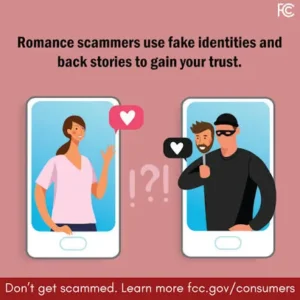
These often begin on a dating app or social media and move to phone calls to build trust faster. Weeks of conversation create a real emotional bond before a sudden “emergency” appears — a medical bill, a stuck shipment, a visa fee. The request is always urgent, always solvable with money, and the person asking is almost never who their profile claims.
7. Debt Collection Scams
Fake agencies often use names close enough to real collection companies to sound legitimate. They threaten wage garnishment or a lawsuit within the same call, applying pressure before the person has time to check if the debt is even real. A key red flag: legitimate collectors are required to send written validation of a debt, something these callers deliberately skip.
8. Investment / Crypto Scams
Contact usually comes through a cold call or a social media message, followed by a phone “consultation” about guaranteed returns. Victims are shown a dashboard with steadily climbing profits and encouraged to reinvest before ever withdrawing a cent. When they finally try to cash out, the platform stalls, disappears, or simply stops responding.
9. Insurance / Health Plan Scams
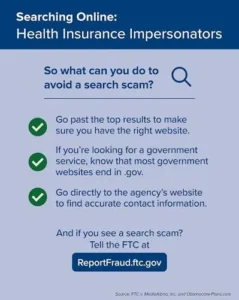
Activity spikes heavily during open enrollment season. Callers claim an existing health plan is being cancelled unless personal details are “re-verified,” or offer a free plan that requires a Social Security number and payment information upfront. Posing as a licensed agent adds a layer of false credibility that many people don’t think to question.
10. Charity Scams
These surge right after a disaster — a hurricane, earthquake, or major crisis — while public sympathy is at its highest. The caller uses a name deliberately similar to a well-known charity and pushes for an immediate donation through gift cards or wire transfer, both of which real charities almost never request.
Different offers, different emotions, same underlying formula: create urgency, remove time to think, and ask for money or personal information before logic catches up. Recognizing the category is often the fastest way to recognize the scam itself.